Posts Tagged ‘Budget’
Human service advocates say they are worried after Pritzker’s status-quo budget proposal
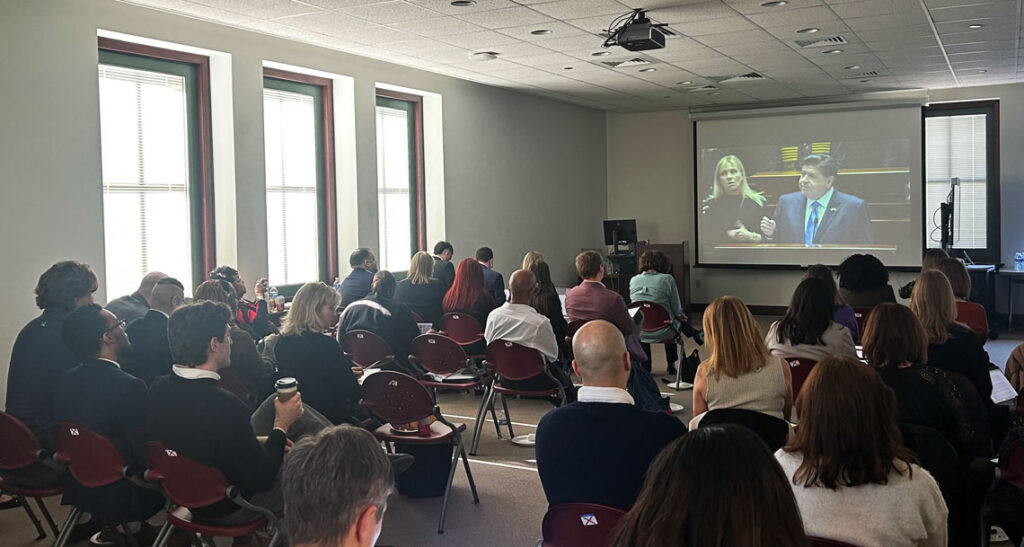
Some advocates expressed concern over the state’s inability to offset federal funding cuts.
Read MoreDemocrats offer muted praise of Pritzker’s speech, Republicans dismiss ‘campaign’ rhetoric
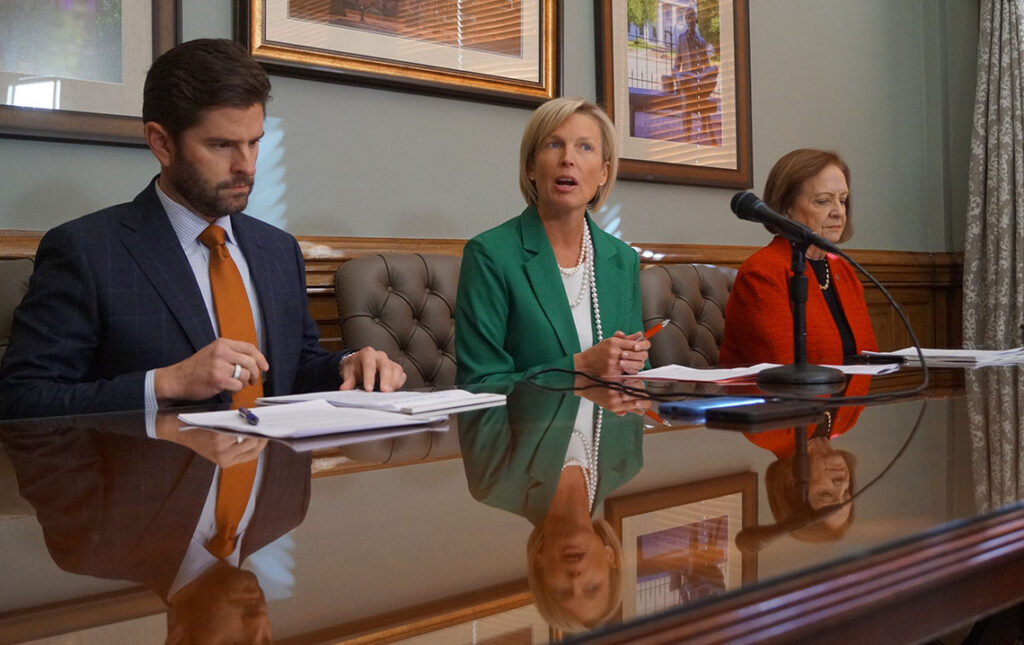
Democrats offered muted praise while Republicans dismissed the governor’s affordability message as campaign-style rhetoric.
Read MorePritzker focuses on history, ‘affordability,’ in 8th State of the State address
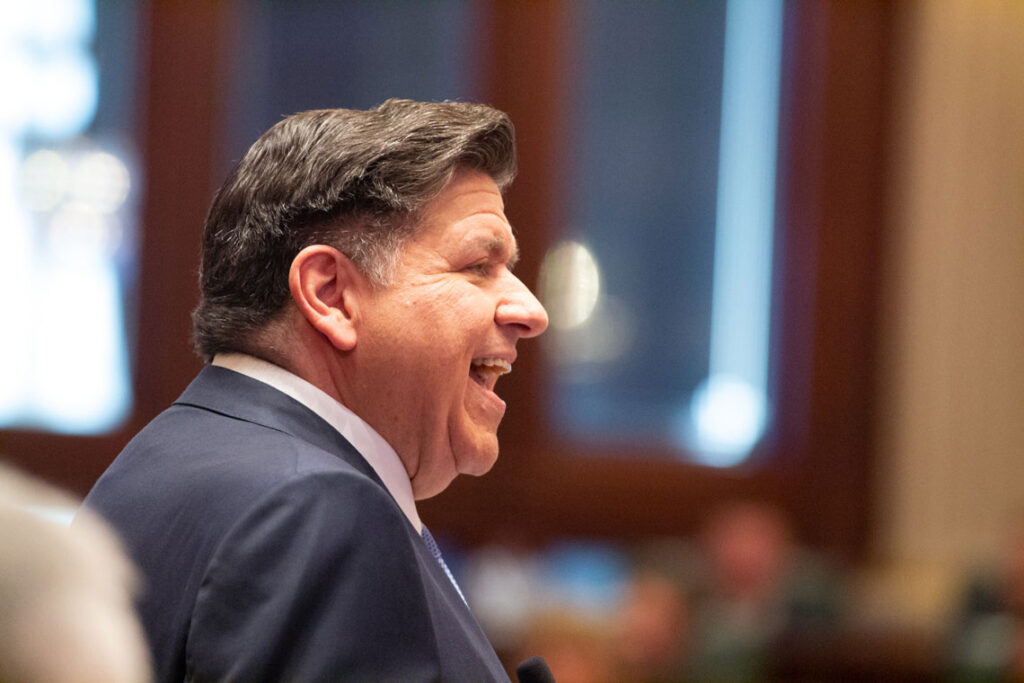
While his speech was loaded with historical references that he used to illustrate Illinois’ resiliency in the face of challenging times, it was also crafted around modern political themes.
Read MorePritzker proposes $56B budget with minimal new spending, tax on social media companies
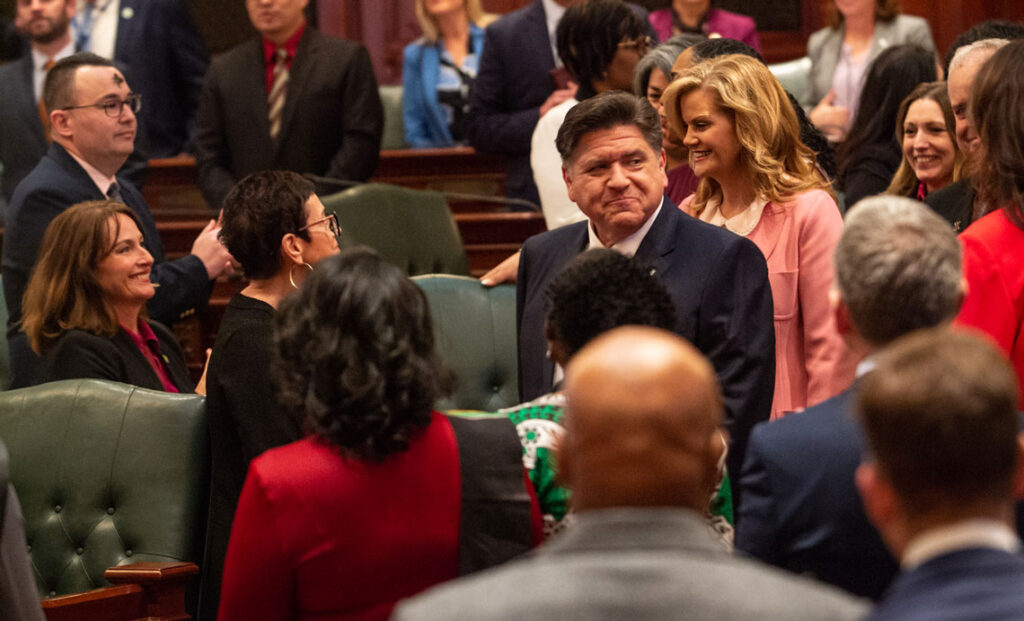
The plan includes new taxes on social media companies but keeps spending relatively flat from the current year.
Read MoreHow Illinois’ Democratic U.S. Senate candidates plan to address economic issues
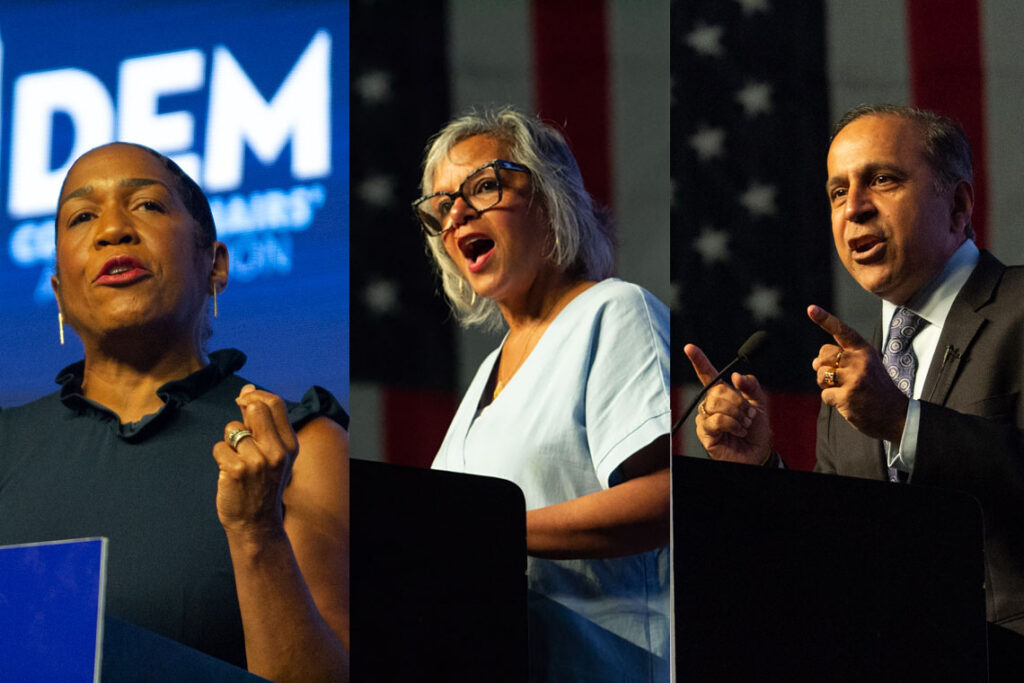
The top three Democrats running for U.S. Senate have released economic plans.
Read MoreTrump cuts could shrink Illinois economy by $10B: report
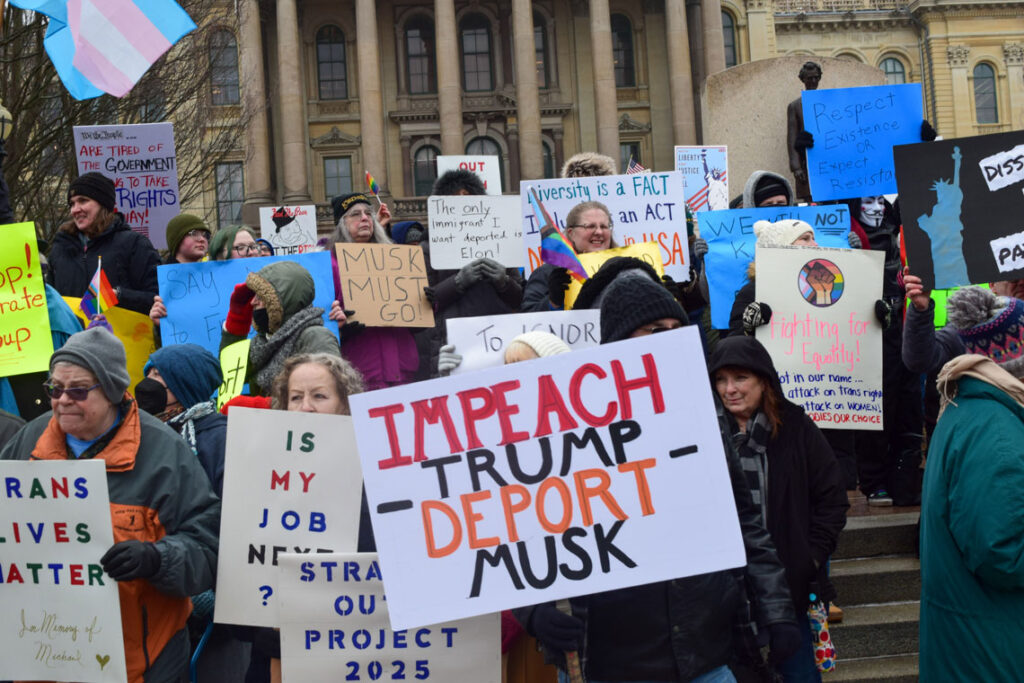
Tariffs are also hurting economic activity, according to new reports released by the governor’s office.
Read MoreFederal housing credit expansion could increase affordable rental units in Illinois: report

Affordable housing advocates say Illinois lawmakers should enact a state low-income housing tax credit to complement more federal funding.
The post Federal housing credit expansion could increase affordable rental units in Illinois: report appeared first on Capitol News Illinois
Housing funding cut in Illinois budget as homelessness increases
Capitol News Illinois
Article Summary
Illinois’ fiscal year 2026 budget reduced funding for programs serving homeless people by more than $14 million from the previous year.
JB Pritzker’s “Home Illinois” initiative aimed at reaching “functional zero” homelessness saw a $26.6 million cut.
That program was launched in 2022 and had previously been on a steady upward funding trend.
Advocates worry the reductions and potential federal cuts will exacerbate homelessness in Illinois, which increased 116% in 2024, according to state data.
This summary was written by the reporters and editors who worked on this story.
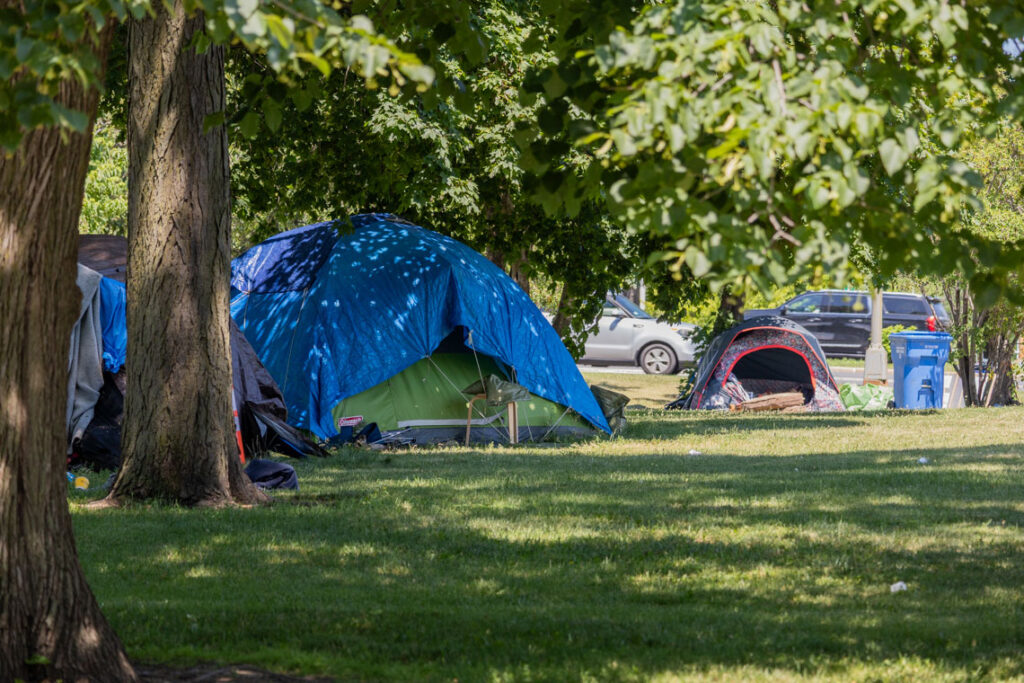
The number of homeless people in Illinois is rising, but the state’s spending on homeless prevention and other housing programs is headed in the other direction.
Facing a tight budget year with constrained spending and limited natural revenue growth, the $55.1 billion fiscal year 2026 budget that took effect July 1 reduces total funding for housing programs by more than $14 million, including Pritzker’s signature initiative designed to eliminate homelessness in Illinois.
“Last year homelessness increased 116% in the state of Illinois,” Doug Kenshol, co-founder of the Illinois Shelter Alliance, told Capitol News Illinois. “To be in the midst of this crisis and then have the state cut funding was beyond disappointing.”
Discretionary spending rose by less than 1% in the FY26 budget, according to the governor’s office, despite total spending increasing by $2 billion. That minimal spending growth led lawmakers to reduce several programs.
“Is it enough? No, it isn’t … we know that homelessness is an existential crisis, and the state of Illinois takes this seriously,” Sen. Adriane Johnson, D-Buffalo Grove, who serves on a state homeless prevention task force, told Capitol News Illinois. “We have a really bold vision for ending homelessness and we’re going to continue down that path.”
Spending reductions
Pritzker first established a task force by executive order in 2021 that would create a plan for “Home Illinois” to reduce homelessness in the state to “functional zero” — where homelessness is temporary and people without housing can quickly obtain housing resources. The executive order did not set a date for the state to reach functional zero, and funding for the Home Illinois is declining by $26.6 million in FY26.
Pritzker’s administration had previously targeted housing programs for substantial increases in recent years. The FY26 budget appropriated $263.7 million for Home Illinois, down from $290.3 million in FY25. That was a $90 million increase from FY24, when the program received $200.3 million in its first year after Pritzker signed legislation in 2023 codifying the task force and Home Illinois program.
Read more: Pritzker signs $55.1B state budget reliant on $700 million of new taxes
Among the decreased spending in Home Illinois is a $25 million reduction to the Court-Based Rental Assistance Program that provides financial aid to people facing evictions. Other programs saw steady or increased funding, including shelters, which rose to fund Chicago’s One System Initiative that integrates migrants into the city’s typical shelter system.
Spending on housing programs is also down overall, according to the advocacy group Housing Action Illinois. While some housing programs saw increases that offset reductions to Home Illinois, total spending on housing programs is down by $14.6 million in the FY26 budget, to $354 million. Pritzker’s proposed budget had called for a $7.6 million decrease.
“FY26 is largely a maintenance year for the state budget,” an Illinois Department of Human Services spokesperson said in a statement. “We remain as committed as ever to advancing strategies that prevent and end homelessness across Illinois.”
Johnson said the spending reduction is “temporary” and the state is still working toward long-term goals that would require more funding.
“The state is trying to do the best it can with limited resources,” Housing Action Illinois Policy Director Bob Palmer said in an interview.
Some of the avenues lawmakers used to fund programs also divert funding away from one area in favor of another, Palmer said. For example, the Affordable Housing Trust Fund is supposed to provide funding for new permanent rental housing, but money in the fund is also being used to increase funding for emergency or transitional housing.
“We were in a way glad to see that increase but also feeling conflicted because it’s taking money from another important housing resource,” Palmer said. “We had been advocating for that increase to come from general revenue funds.”
Read more: Illinois Shelter Alliance calls for $100M state funding boost to fight homelessness
Funding for the emergency and transitional housing program increased by $7 million, a small win for advocates, but nowhere near the $40 million increase sought by the Illinois Shelter Alliance. The group wanted lawmakers to increase funding by $100 million overall for housing programs.
Palmer also worried proposed federal cuts to rental assistance programs will put additional strain on the state’s budget.
Homelessness continues to grow
The spending reductions come as homelessness in Illinois continues to rise despite the new program.
The latest data on homelessness in Illinois from an October report by a Department of Human Services task force shows the state had 25,787 unhoused people on the night of the annual “point in time” count in January 2024 — a 116% increase from 2023.
The increase is largely driven by migrants who have been sent to Illinois by other states such as Texas. Of those without housing in January 2024, 13,891 were new arrivals. However, non-migrant homelessness is still on the rise, increasing 22% in 2024.
Homelessness is also increasing throughout the state. It’s up 207% since 2020 in Chicago, while DuPage and St. Clair counties were the only places in Illinois to see a decline over that time.
“You can argue that we can always do better, but Illinois is on the right path,” Johnson said.
Despite homelessness increasing since Home Illinois was established, Kenshol said the program is making a difference.
“They’ve created some great programs and they’ve gotten funds distributed and a lot of housing and a lot of shelter has been created, but we have to sustain that effort and we need to keep making incremental increases because we’re not there yet,” he said.
Data backs that up, according to IDHS. The Court-Based Rental Assistance Program, which received a substantial cut this year, has helped 7,500 households. And more than 18,000 people were served by Home Illinois in the first half of FY25 — 10,000 more than IDHS’ prior homelessness prevention program helped in FY22.
The problem, according to advocates and IDHS, is rapidly growing housing costs that make finding permanent housing and affording rent more unreachable for more people. A report last month from the Illinois Economic Policy Institute found Illinois needs 142,000 more housing units to meet the current demand for homes.
Finding more resources
Data in the task force’s annual report that provides a road map for Home Illinois shows service providers still need substantial resources to make a dent in homelessness. The state has more than 23,000 beds and housing units for homeless people, but needs about 27,000 more.
The task force, which includes advocates, lawmakers and top leaders in state agencies, says the problem will continue to grow if these resources aren’t addressed.
“The longer it takes to meet these targets, the more resources will be needed to reach functional zero as homelessness is a dynamic systems problem, or, in other words, annual unmet need for shelter and housing can be expected to increase each year that the need is unmet,” the report said.
Palmer agreed.
“If we’re taking the plan to prevent and end homelessness in Illinois seriously, we need to be providing the increased resources to eliminate that shortage … otherwise we’re just managing homelessness at its current level,” he said.
Palmer said lawmakers should be increasing funding for housing no matter what the state’s budget situation is because housing insecurity can be a root cause for other issues that cost the state more money, such as health problems.
Increasing funding for shelters alone also isn’t enough, said Kenshol, the Shelter Aliance co-founder. A lack of funding for affordable permanent housing leaves people stuck in the shelter system, which means growing rental assistance programs to help prevent people from being forced into shelters should be a budget priority, he said.
In a $55.1 billion budget, Kenshol argued the state should be able to find the money to increase funding each year for housing programs.
“As a society, as voters, as elected officials, we make different choices. We turn our backs on the people who are desperate and at risk of perishing and instead we invest in other things,” Kenshol said. “My values suggest that we should put caring for the least of these first.”
Capitol News Illinois is a nonprofit, nonpartisan news service that distributes state government coverage to hundreds of news outlets statewide. It is funded primarily by the Illinois Press Foundation and the Robert R. McCormick Foundation.
The post Housing funding cut in Illinois budget as homelessness increases appeared first on Capitol News Illinois.
State ends fiscal year with record revenue
Capitol News Illinois
Article Summary:
Illinois closed fiscal year 2025 with record $54 billion in revenue.
While that marked a surplus from the enacted budget, the extra revenue was anticipated when lawmakers approved the current-year budget in May.
It doesn’t give lawmakers any extra breathing room for an expected volatile fiscal year 2026.
This summary was written by the reporters and editors who worked on this story.
Despite uncertainty over the economy and federal funding during the second half of fiscal year 2025, the year closed on June 30 with the state setting a new record for annual revenue.
Numbers compiled by the independent Commission on Government Forecasting and Accountability show FY25 concluded with $54 billion in revenue, the most the state has ever received in a fiscal year. The state also brought in $717 million more in revenue than lawmakers originally budgeted for when they passed a $53.3 billion budget in May 2024.
All told, the final revenue numbers track closely with projections made in May by both COGFA and the Governor’s Office of Management and Budget that formed the basis of the FY26 budget. In other words, June revenues produced no surprises, and lawmakers aren’t sitting on any substantial surplus as the new fiscal year begins.
The record revenues also don’t alleviate any uncertainty for the current or future fiscal years as Congress considers drastic reductions to the social safety net and aid to states.
Causes of revenue growth
Strong personal income tax growth drove the revenue increase in FY25, largely thanks to a “true up” conducted by the Department of Revenue that reallocated business related income tax revenue into the personal income tax category. Personal income tax revenue was 10% higher than in FY24, but corporate income taxes declined by 9.5%.
Some other revenue sources also saw minimal growth. Sales tax revenue grew by less than 1%, though COGFA noted it increased by nearly 3% in the second half of FY25 after a weak start last summer as gas prices dropped and people cut back on large purchases amid growing economic uncertainty.
Federal income was also down 4.6% in FY25, even when excluding one-time pandemic relief funds the state received in FY24. But in a bright spot for the state, COGFA found that state revenue sources grew more than anticipated to offset the $178 million decline in federal revenue.
Despite solid revenue growth this year, questions remain about how well it will perform in FY26.
“Whether this record will be surpassed in FY 2026 remains to be seen, though the FY 2026 enacted budget assumes revenues of $55.297 billion – nearly $1.3 billion above the FY 2025 final total,” COGFA Revenue Manger Eric Noggle wrote.
Bills paid and money left over
The state also ended the fiscal year with $1.9 billion of cash in the General Revenue Fund after all bills were paid, according to the Comptroller Susana Mendoza’s office.
“We work hard each year to pay bills on time, build up the state’s emergency reserves and stress fiscal discipline, even in these uncertain times,” Mendoza said in a statement. “My office will strive for continued improvement in state finances and credit ratings in the new budget year.”
Mendoza’s office also put $256 million into the “rainy day” fund, growing it to a balance of $2.5 billion. The fund is expected to grow at a slower rate in FY26, however, as lawmakers suspended a monthly transfer that will free up $45 million.
With an extra cash balance to start the new fiscal year, Mendoza said she plans to pre-pay monthly pension payments for FY26. Lawmakers gave the comptroller authority last year to make pension payments earlier in the year rather than on a monthly basis when extra money is available.
“This will enable the systems to plan accordingly and keep additional dollars in their investment portfolios into the new budget year,” Mendoza said.
An uncertain future
With good new concluding FY25, attention now turns to FY26, which began Tuesday, and the vast uncertainty the state faces from budget talks in Congress and the economic fallout of decisions by the Trump administration.
Gov. JB Pritzker signed a $55.1 billion spending plan in mid-June that relies on $55.3 billion in revenue. It’s the largest budget in state history despite minimal discretionary spending growth, and it relies on $1.2 billion of tax increases or one-time revenues.
Read more: Pritzker signs $55.1B state budget reliant on $700M of new taxes
But state lawmakers have left the door open to the possibility that changes Congress makes to federal funding that requires states to cover greater portions of government programs and ceases funding in certain areas will require lawmakers to change the budget.
“The ability of the state to try to step in and try to mitigate the damage is somewhat limited, although we have the ability to do certain things and may have to in special session or we may have to in veto session,” Pritzker told reporters in Peoria on Tuesday. “It’s a little hard to tell yet. Some of the provisions of this terrible bill in Washington, D.C. don’t go into effect until next year and so we’ll have to evaluate what changes to make in order to deal with it.”
Work requirements for health care and food assistance programs, cuts to Medicaid reimbursements and the elimination of clean energy tax credits could all require the state to take on more costs.
Capitol News Illinois is a nonprofit, nonpartisan news service that distributes state government coverage to hundreds of news outlets statewide. It is funded primarily by the Illinois Press Foundation and the Robert R. McCormick Foundation.
The post State ends fiscal year with record revenue appeared first on Capitol News Illinois.
Pritzker signs $55.1B state budget reliant on $700M of new taxes
Capitol News Illinois
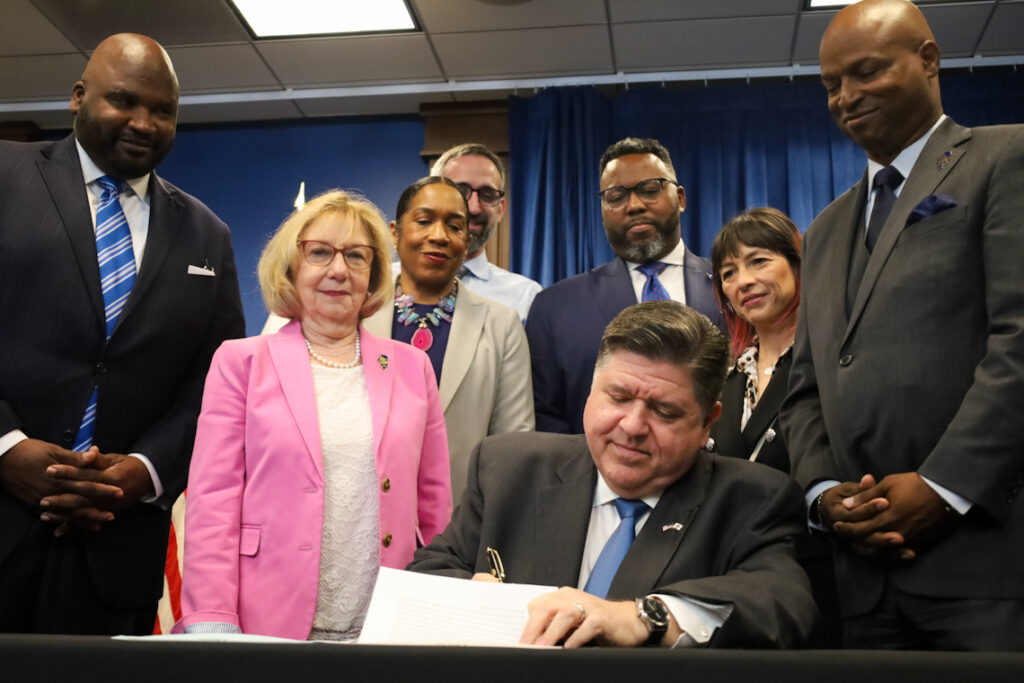
Gov. JB Pritzker signed Illinois’ fiscal year 2026 budget into law Monday, taking shots at President Donald Trump’s budget management to defend hard choices state lawmakers were forced to make this year.
The $55.1 billion spending plan set to take effect July 1 is the largest in state history and is supported by $55.3 billion in anticipated revenue, including more than $700 million in new taxes and more than $500 million in one-time revenues.
Democrats approved the budget shortly before midnight on May 31 with only a handful of Democrats opposing it and all Republicans unanimously voting against it.
The budget’s passage came after months of discussion about closing an initially projected $3 billion deficit and growing concerns about Trump’s treatment of state funding in Washington. Pritzker, a possible 2028 presidential candidate, used Monday’s budget signing ceremony in Chicago as an opportunity to draw a contrast between his and Trump’s budgets.
“While the Trump administration goes on Fox News lying about being fiscally responsible, Illinois is showing a better way: Balancing the budget while maintaining the programs that most people rely on,” Pritzker said.
“Congress is about to pass a federal budget that has one of the largest budget deficits ever in a year without a war or a pandemic. By contrast, Illinois is balancing its budget and prudently improving its fiscal condition,” he said.
Pritzker and other Democratic leaders acknowledged that crafting the FY26 budget was challenging but continues to make investments Democrats believe are priorities. Discretionary spending will increase by less than 1% in FY26, Pritzker said. Despite the minimal increase, the FY26 budget still spends about $2 billion more than FY25.
Democrats “ace the challenges and uncertainty head on, and the result is a budget that is truly balanced with no gimmicks,” House Speaker Chris Welch, D-Hillside, said.
But that’s not how Republicans view the budget’s fund sweeps and delayed transfers that free up hundreds of millions of dollars that can be used in FY26.
“This approach sets Illinois up for failure by FY27 and continues a pattern of short-term thinking,” House Minority Leader Tony McCombie, R-Savanna, said in a statement.
Senate Minority Leader John Curran, R-Downers Grove, condemned lawmakers for failing to deliver significant tax cuts since Pritzker took office in 2019 when Illinois’ budget totaled about $40 billion.
“You know it’s a bad budget when it’s based on nearly $1 billion in tax increases and enhancements,” he said in a statement.
The governor also used his broad authority to reduce a pair of technical errors in the budget. The changes lower spending by $161.2 million from what lawmakers passed.
Tax increases on tobacco and vape products, businesses
The tax plan will raise $709 million in new revenue through what House Majority Leader Robyn Gabel, D-Evanston, characterized as “smart new sources of revenue.” They include new taxes on businesses, sports betting and tobacco and vape products, according to a list provided by the Senate Democratic caucus.
The budget will not raise personal income, corporate income or sales taxes after Pritzker told reporters that he will veto any budget containing “broad-based” tax increases just days before the bill passed.
Sen. Elgie Sims, D-Chicago, discusses the state budget at a June 16 signing ceremony. Sims is the chief budget negotiator in the Senate. (Capitol News Illinois photo by Andrew Adams)
The largest sum of new taxes – $336 million – are on businesses outside of Illinois that lawmakers call “leveling the playing field” and will require businesses to pay more income tax to the state on their profits.
Consumers will face new taxes on specific items, including taxes on tobacco, vaping and other nicotine products, which are increasing to 45% to raise $50 million. An existing telecommunications tax will also rise from 7% to 8.65% and raise $49 million to fund the statewide 988 hotline.
A new tax on sports bets will charge betting sites 25 cents for the first 20 million wagers and 50 cents for each bet following that. It’s projected to raise $36 million. Sports betting sites FanDuel and DraftKings have both announced they will implement 50-cent transaction fees on Illinois customers in response to the tax.
Short-term rentals will have to begin paying the state’s hotel operator’s tax. The charge is already applied to hotels in the state, and Airbnb already pays it voluntarily, but more companies like Vrbo will now be required to pay the tax expected to raise an additional $10 million.
A pair of tax amnesty programs are expected to raise $228 million. Those programs are meant to incentivize taxpayers to pay overdue taxes.
Fund sweeps, delayed transfers free up more for spending
The budget deploys a series of tactics designed to free up more money for spending in the general fund in FY26 without repeating as a revenue source for the following year’s budget.
It suspends the monthly transfer to the “rainy day” fund for one year, freeing up $45 million for general fund use. Pritzker has taken pride in the fund’s increase in recent years as it’s grown to a balance of $2.3 billion, up from less than $60,000 when he took office. The fund is still estimated to grow by $161 million from interest and contributions from other funds in FY26.
Read more: Illinois’ $55.2B budget ‘incomplete,’ Civic Federation president says
The state will also pause the final transfer of motor fuel sales tax revenue to the road fund in order to free up $171 million. That scheduled transfer was set in motion by the state’s 2019 infrastructure plan, with the sales tax supporting bond debt taken out to complete road and bridge projects. This year was to be the final year of incremental transfers that took place over the past five years.
Gov. JB Pritzker speaks before signing Illinois’ fiscal year 2026 budget on June 16. Also pictured, from left to right: Sen. Elgie Sims, D-Chicago; Rep. Will Guzzardi, D-Chicago; Lt. Gov. Juliana Stratton; Rep. Kam Buckner, D-Chicago; House Speaker Emanuel “Chris” Welch, D-Hillside. Rep. Eva-Dina Delgado, D-Chicago, is not shown.
The budget package also establishes a new $100 million BRIDGE fund that the governor can tap into “in the event of unanticipated delays in or failures of revenues.” The measure, an apparent nod to the uncertainty of federal funding amid ongoing congressional budget negotiations, will come from money swept from 57 different funds.
When combined with the tax amnesty program, the fund sweeps and delayed transfers add up to at least $544 million of one-time revenue in this year’s state budget that will not be available in FY27.
Health and Human Services
The most notable change to health care funding is the elimination of the Health Benefits for Immigrant Adults, or HBIA, program that provided certain low-income noncitizens between ages 42 and 64 with state health care benefits akin to Medicaid. Eliminating the program saves the state $330 million, but the $110 million Health Benefits for Immigrant Seniors, or HBIS, remains in place.
“This was part of the challenge that we had to address,” Pritzker said. “It was a program that had been growing significantly in cost. I do believe that everybody should have health care. I also know that we have to live within our means in the state of Illinois.”
HBIA’s elimination comes after a recent audit found the two programs have cost the state at least $1.6 billion since their inception, far exceeding original estimates for the program. Last year, the state put new guardrails in place to limit enrollment into the programs and reduce costs through co-pays and other measures.
Read more: Audit finds Illinois’ noncitizen health care programs far outstripped original cost estimates
Gov. JB Pritzker speaks before signing Illinois’ fiscal year 2026 budget on June 16. (Capitol News Illinois photo by Andrew Adams)
HBIA’s elimination also comes as Congress debates a domestic policy plan that could reduce reimbursements to states that provide health care benefits to noncitizens.
In anticipation of broader reductions to health care and Medicaid reimbursements to the state, Illinois lawmakers also increased spending on other health care and social service programs:
$40 million for Federally Qualified Health Centers. These centers could provide care for people who lose coverage under HBIA turn.
$18 million from the General Revenue Fund for five safety-net hospitals in the state’s Medicaid managed care program. Another $100 million from Fund for Illinois’ Future will go to support the Medicaid managed care program at 12 other safety net hospitals.
$60 million for administrative expenses for the Supplemental Nutrition Assistance Program. That’s a $20 million increase from FY25 as Congress has proposed requiring states to cover half of administrative costs.
$263.7 million for HOME Illinois, a program created to reduce homelessness in Illinois. Housing advocates calculated that between Home Illinois and other housing line items, the budget includes $354 million in funding. That’s about a $14.6 million decrease from a year ago, which marks about double of what Pritzker proposed cutting in homelessness funding in February.
An 80-cent hourly wage increase for direct service professionals who service individuals with intellectual and developmental disabilities in community care settings. However, overall flat funding for the program means 305 positions in the program will be eliminated, according to the They Deserve More coalition. Community Care Program workers at the Illinois Department on Aging will receive a 75-cent hourly wage increase.
A new $25 million Prescription Drug Affordability Fund to support certain pharmacies in Illinois in competition against larger pharmacy benefit managers.
$15 million for the Medical Debt Relief Pilot Program that purchases medical debt from patients at a fraction of the total debt.
A $4 million increase for the Department of Children and Family Services aimed at hiring 100 additional staff members.
A child tax credit created in 2024 at 20% of the Earned Income Tax Credit will double to 40%.
Education
The state’s evidence-based funding model for K-12 schools calls for $350 million in additional funding each year, with a portion of that going to a property tax relief fund and the rest directly to schools. The proposed budget fully funds the K-12 education increase at $307 million but does not add $43 million in property tax relief funds.
Funding for higher education operational expenses is only going up 1%. Pritzker had proposed 3%. Democrat budget leaders have said the spending plan includes ways to increase funding by an additional 2% if there are significant cuts in federal funding for higher education, however.
Read more: Despite victories, major higher education policy bills stall in General Assembly
The budget also includes:
A $10 million increase to the Monetary Award Program grants for lower-income college students.
$8 million for a minority teacher scholarship program.
$2.9 million for the state’s Common App initiative to make it easier for high school students to apply to Illinois colleges and universities at one time.
$212 million for Pritzker’s Smart Start early childhood education program.
$21.7 million for the newly created Department of Early Childhood
Others spending areas
Part of the budget package created a new Tier 2 reserve fund that can be accessed if there are violations of what’s known as the federal “safe harbor” law. Lawmakers appropriated $75 million for the fund this year, in line with Pritzker’s proposal. Broader reform to Tier 2 was not considered this spring.
“With this fix going into effect, we’re protecting our taxpayers and state workers from future shortfalls that could cost the state much more,” Pritzker said.
Read more: ‘This issue isn’t going away’: Illinois lawmakers delay pension reform again
Lt. Gov. Juliana Statton, who is also running for U.S. Senate, speaks at a June 16 signing ceremony where Gov. JB Pritzker formally approved the state’s fiscal year 2026 budget. (Capitol News Illinois photo by Andrew Adams)
Attorney General Kwame Raoul is receiving a $15.7 million general fund increase as his office engages in a growing number of lawsuits against the Trump administration. Raoul told lawmakers he needs more attorneys to handle the cases and a generally growing workload in his office. However, because of declining revenue in other funds, total funding for the office largely remains flat in FY26.
Read more: Raoul’s office to receive $15.7M budget increase for operations
The budget sent to Pritzker included a 5% pay raise for state lawmakers, to $98,304. State law sets the pay for legislators to increase annually with inflation, and lawmakers took no action to stop it from occurring in FY26.
The budget also includes:
$500 million for the Department of Central Management Services and Department of Commerce and Economic Opportunity for the Surplus to Success program to prepare idle state properties for economic development.
$17.9 million for the Department of Financial and Professional Regulation to implement a new licensing system
$40 million for immigrant Welcoming Centers
$6.2 billion for Department of Transportation construction projects, including $4.5 billion for roads and bridges.
Capitol News Illinois is a nonprofit, nonpartisan news service that distributes state government coverage to hundreds of news outlets statewide. It is funded primarily by the Illinois Press Foundation and the Robert R. McCormick Foundation.
The post Pritzker signs $55.1B state budget reliant on $700M of new taxes appeared first on Capitol News Illinois.